Stephan Spicher Vita

Born
27 November 1950, Basel
Studios
Basel · Maggia, Ticino · Saint Petersburg

1950

Basel

Stephan Spicher was born in Basel on November 27th, 1950 and grew up in a harmonious, middle-class home. The family spent the summer months in the Italian-speaking part of Switzerland and the winter in Basel. His father was a mineralogist and researched the Southern Alps.

“For me it was and still is important to be able to identify with two cultures, to live on the north-south axis, so to speak.”
1969

Studies

At the age of 19 he began to study at the Kunstgewerbeschule in Basel, but then at the age of 22 found his teacher, Beppe Assenza, in whose workshop he studied painting for over four years. Academic studies were the basis, but Assenza, born in Italy, taught pure, free painting and the study of colour.

“Assenza taught artistic, processual thinking and at the same time represented Italian aesthetics, my father taught me how to read and observe nature. For me this was an ideal combination.”

1978

Maggia Valley

In 1978 Spicher moved back to the Maggia Valley on the southern edge of the Alps to digest his studies.

“To learn something is one thing, to forget it again, respectively to free oneself from the knowledge is another.”

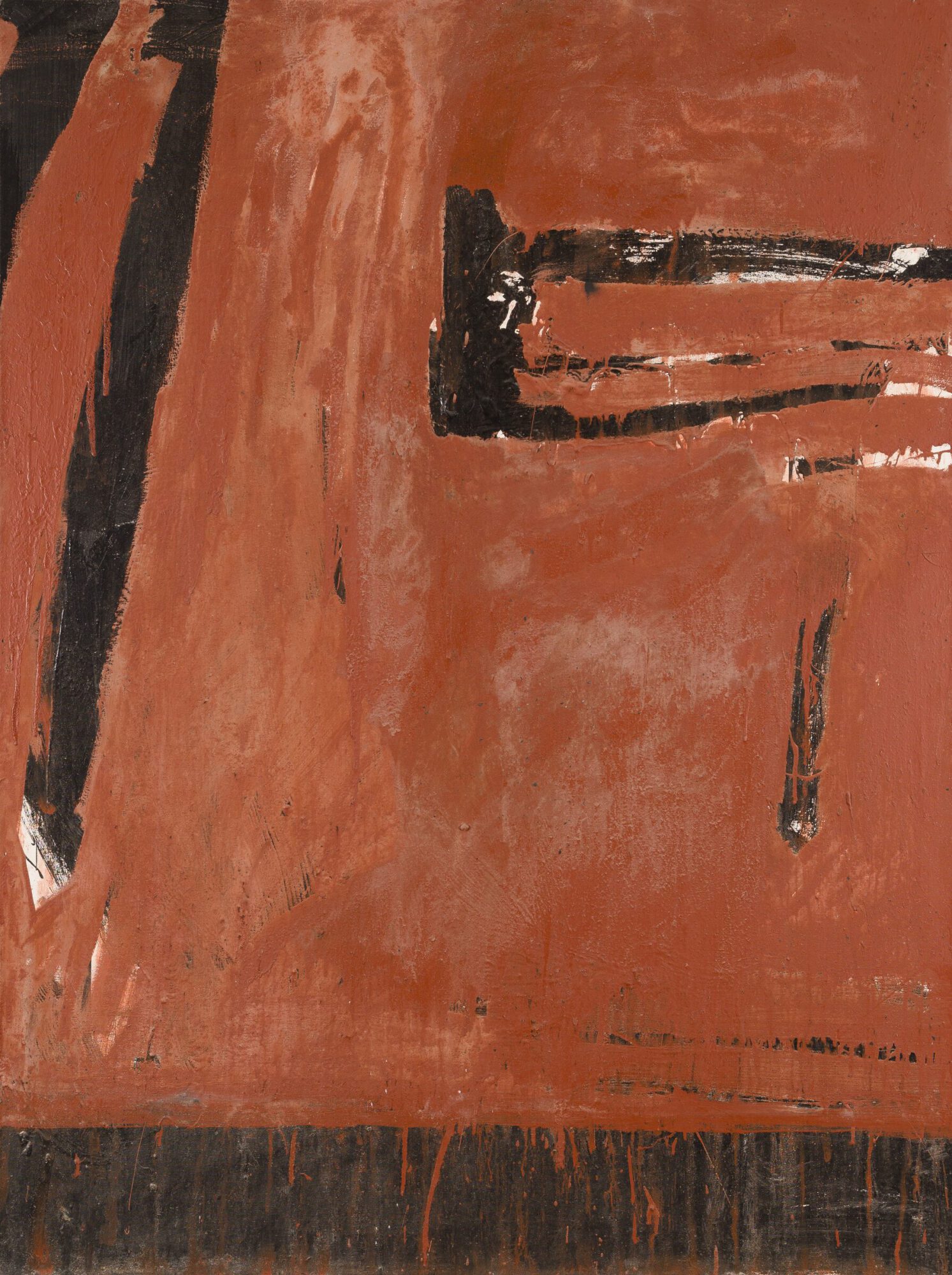
Spicher decided to abandon the colour he had studied so thoroughly, to concentrate purely on black and white and to deepen the texture with the material ash, only to dissolve it again afterwards. The series of ash walls were characteristic for the 1980s.

Stephan Spicher, Wall of ashes, 1988, mixed media on canvas, 200 × 150 cm
Wall of ashes, 1988

1986

Japan

After long spells in Paris, Berlin and the USA, Spicher was very impressed by Japan, which he visited during his exhibition in Tokyo in 1986.

“To see the individual as a whole, this aesthetic fascinated me very much and stayed with me until today.”

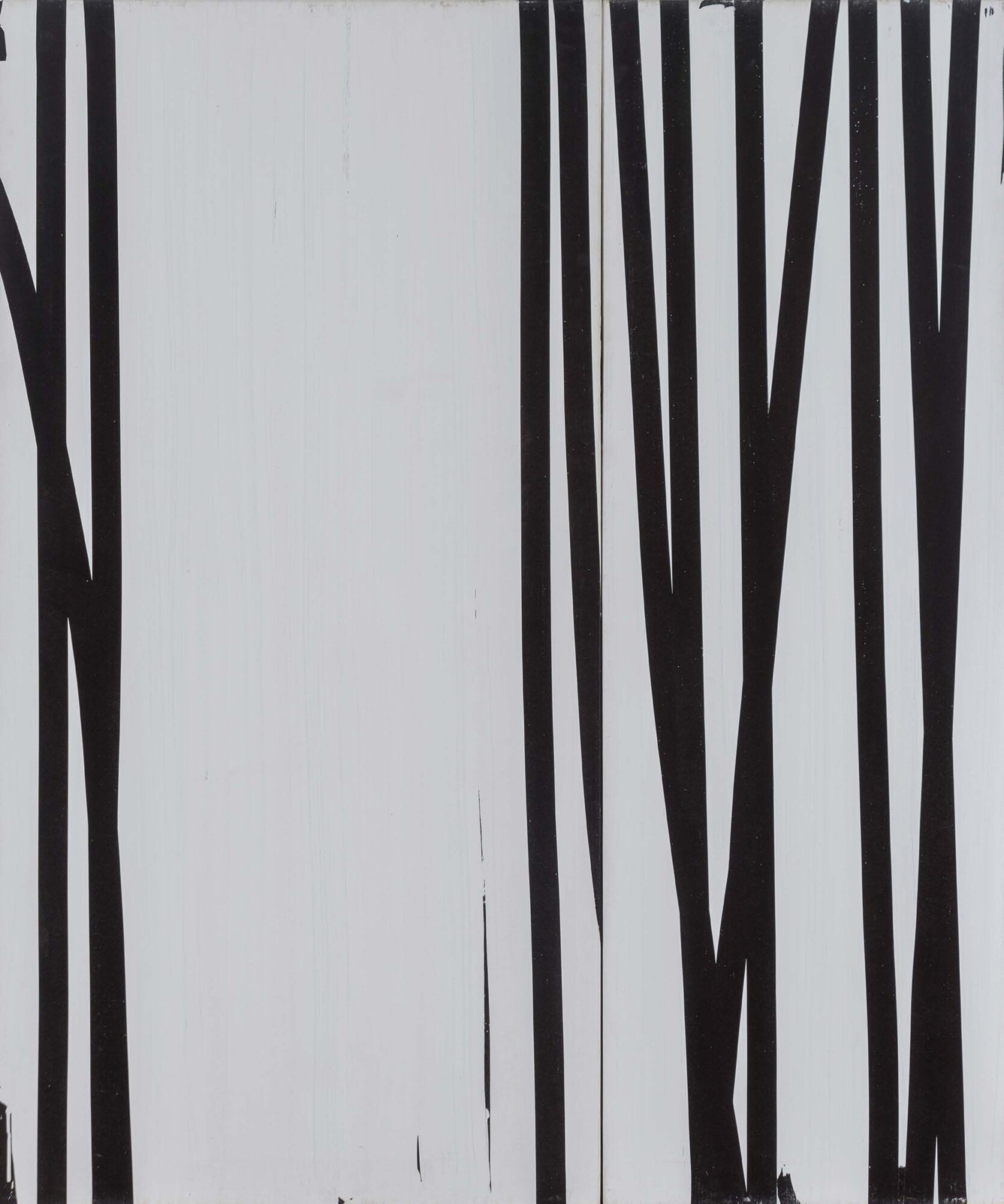
Spicher has visited Japan many times and has exhibited in various Japanese cities. His paintings became more and more condensed into lines. The spaces between these lines became more and more important – space and counter-space, visible and invisible line – themes that were formative for the 1990s.

Stephan Spicher, Eternal line, 2003, acrylic on canvas, 150 × 125 cm
Eternal line, 2003

1991

Saint Petersburg

In 1991 Spicher married Tatiana Semenova and in the following years built up his studio in St. Petersburg. Having already witnessed the fall of the Berlin Wall, Spicher now saw a Russia that was breaking free from the Soviet era and slowly opening up. His main studio was now in Basel and he was constantly commuting between the Italian-speaking part of Switzerland, Basel and St. Petersburg.

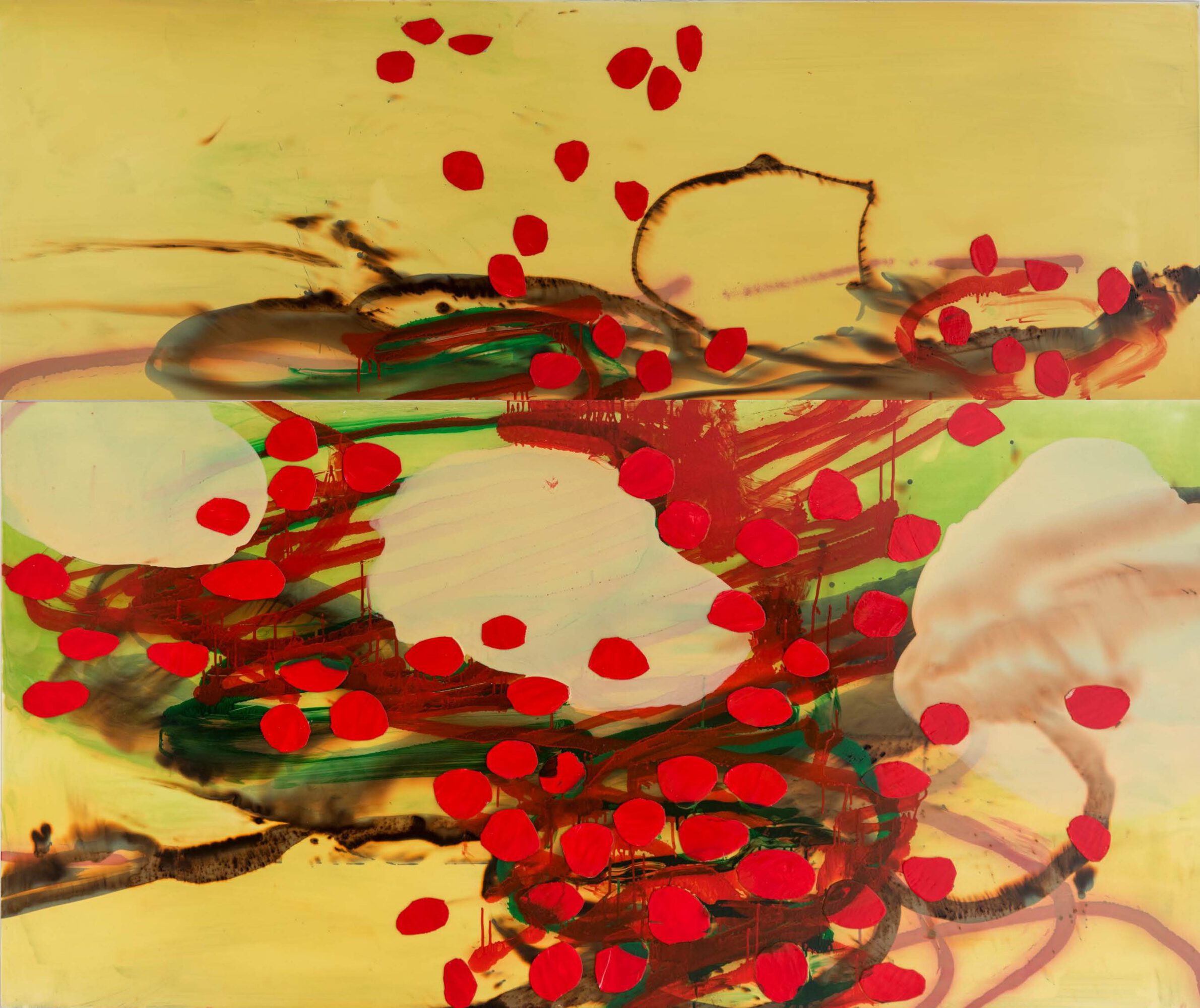
Artistically the lines changed into vegetative forms: he named the following large group of works “Blossom”.

Stephan Spicher, Blossom, 2014, lacquer on aluminium, 125 × 150 cm
Blossom, 2014

Java & Bali

Indonesia

During this time Spicher was involved in an exchange project with artists from Indonesia by Urs Ramseyer, a leading ethnologist for Southeast Asia, and spent many months in studios in Java and Bali.

“In Japanese culture, in Asia in general, one feels the blossoming together with the withering. We separate the two and concentrate on the blossoming. In Asia, withering is also beautiful.”

Today

Basel · Maggia

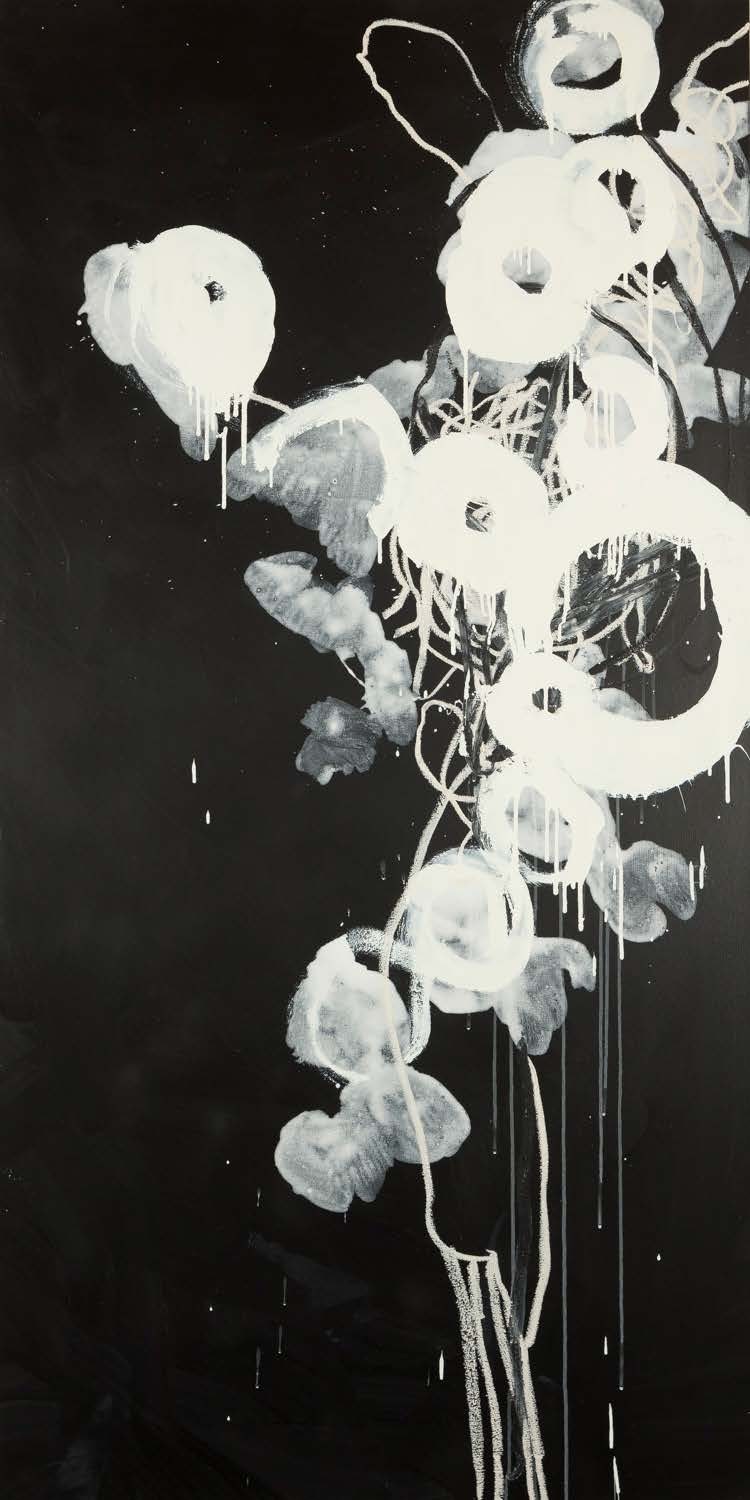
“The blooming and fading, the elemental in nature, remains a theme which I still work on and explore in depth while painting and drawing. I am actually still in the middle of this process.”
Stephan Spicher, Elementals, 2019, lacquer and oil on canvas, 180 × 100 cm
Elementals, 2019

1986–2016 Bibliography

2016

  • Alexander Borovsky: “Permeating the Skies”. Exhibition catalogue, Inner Voice Art Gallery, Saint Petersburg.

2014

  • Shinji Hashimoto, Tsunemichi Kambayashi: “Spiritual Minimalism and Japanese Aesthetics”, Blossom exhibition. Exhibition catalogue, Hakusasonso Hashimoto Kansetsu Garden & Museum, Kyoto.

2009

  • Matteo Bianchi, Jean Louis Schefer, Yves Bonnefoy, Olivier Delavallade: Arte & Natura. Exhibition catalogue, Museo Villa dei Cedri, Bellinzona.

2007

  • Alexander Borovsky: “Stephan Spicher”, exhibition Blossom. Ludwig Museum in the Russian Museum, Saint Petersburg. Exhibition catalogue.

2003

  • Stephan Spicher. Museo Villa dei Cedri, Pagine d’Arte, Bellinzona. Exhibition catalogue.

2001

  • Markus Stegmann: “Stephan Spicher – Galvanic Waters”. Exhibition catalogue, Michel Fischer Gallery, Basel.
  • Urs Ramseyer: “Stephan Spicher. Eternal Lines”.
  • Stephan Spicher / Made Wianta: “Crossing Lines”. Exhibition catalogue, Museum der Kulturen Basel 2001 / Bali 2002.

2000

  • Catalogues “Eternal Line on Zinc”, “Eternal Line on Canvas and Aluminium” and “Eternal Line on Paper”, with texts by Jon P. Zürcher, Giuseppe Pino Confessa, Urs Ramseyer, Georges Martin, Jean Couteau and Arif Bagus Prasetyo. Matamera Edition House, Denpasar, Bali.

1999

  • Tadeus Pfeifer: “Stephan und ich für Trudl Bruckner”. Exhibition catalogue, Gallery Riehentor, Basel.

1998

  • Flavio Cotti, Vladimir A. Jakovlev, David Streiff: “Vzgljad”. State Russian Museum, Saint Petersburg.

1993

  • Michael Bockemühl: “An Approach to the pictorial unity of Stephan Spicher’s compositions”. Exhibition catalogue, Huberte Goote Gallery, Zug.

1992

  • Francesco Tedeschi, Johanna M. Schwarz, Claudio Guarda: Opera 1982–1992. Exhibition catalogue, Galleria Matasci, Tenero.

1990

  • Tadeus Pfeifer: “Die Erdarbeiter, die Luftgeister”. Exhibition catalogue, Gallery Carzaniga + Uecker, Basel.

1989

  • Manfred de la Motte: “Malerei der Leichtigkeit – Asche der Schwere”. Exhibition catalogue, Gallery Hartl & Klier, Tübingen.
  • Johannes Meinhardt: “Stephan Spicher, Stratograph und Geologe”. Exhibition catalogue, Gallery Hartl & Klier, Tübingen.

1987

  • Robert Th. Stoll: “Wandlung”. Exhibition catalogue, Gallery Carzaniga + Uecker, Basel.
  • Stefano Crespi: VIII Biennale Nazionale d’Arte Moderna Ricci-Oddi, Piacenza. Exhibition catalogue.
  • “Constellations, Aspects of Contemporary Swiss Art”. Exhibition catalogue, Kunsthalle Basel.

1986

  • Stefano Crespi: “Immagine e tempo”, Ghinzani, Lucchini, Piccoli, Spicher. Exhibition catalogue, Galleria Italiana Arte, Busto Arsizio.
  • Robert Th. Stoll: “Zu den Malereien Stephan Spicher”. Exhibition catalogue, Gallery C. Brambach, ART 17/86, Basel.
  • Robert Th. Stoll: “Aspects of Contemporary Swiss Art”. Exhibition catalogue, Hara Museum of Contemporary Art, Tokyo, and Taipei Fine Arts Museum, Taipei.